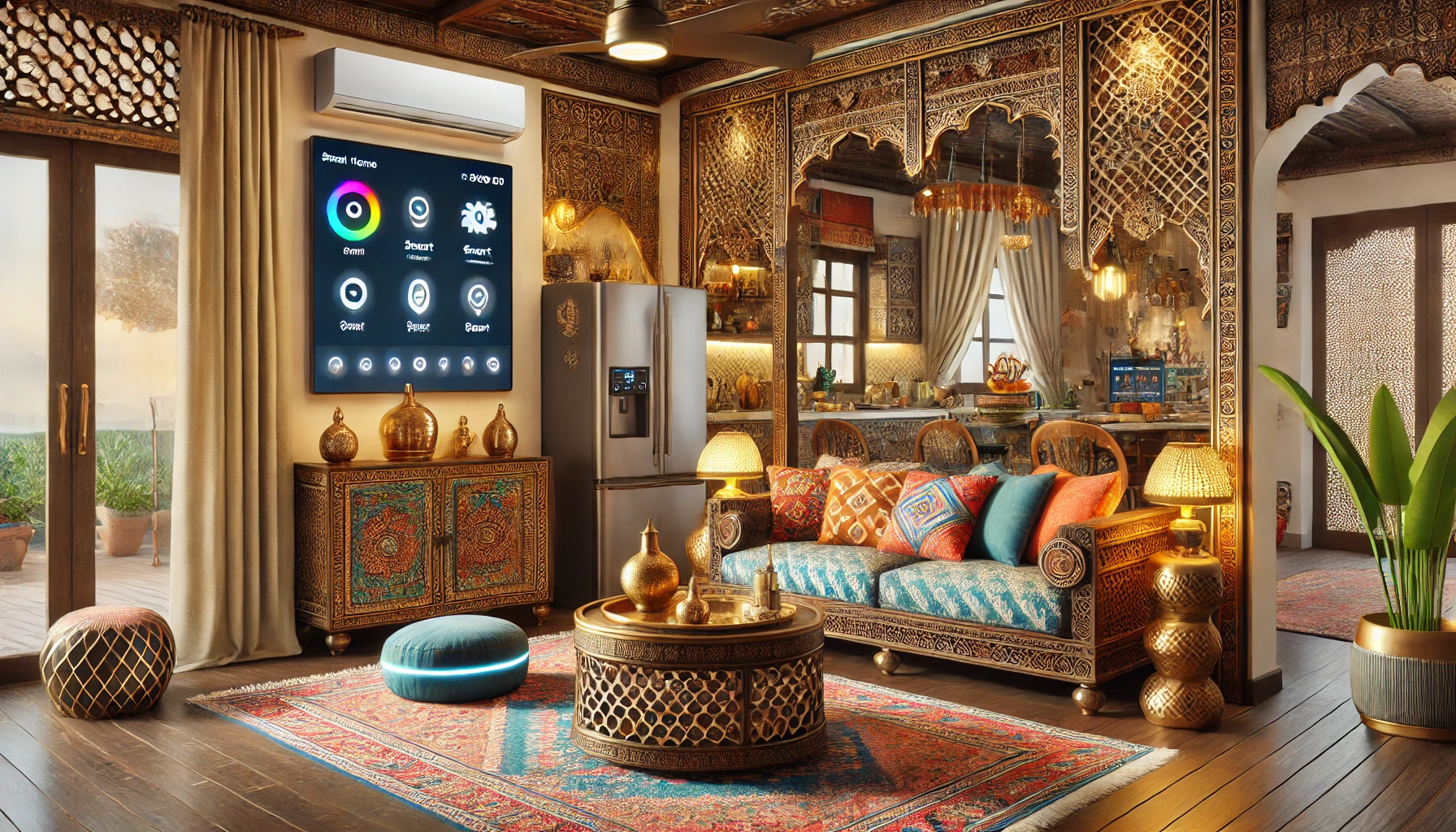
Fusion of Traditional and Modern
Indian contemporary architecture stands out for its ability to merge traditional elements, such as jaalis (latticed screens) and courtyards, with modern techniques. Iconic buildings like the IIM Bangalore campus showcase this harmonious coexistence.
Sustainable and Eco-Friendly Designs
Green architecture is a key focus, with buildings using solar panels, rainwater harvesting, and natural ventilation. Examples include Infosys’ campuses and the CII-Sohrabji Godrej Green Business Centre in Hyderabad, which is a LEED Platinum-certified marvel.
Embracing Minimalism
Minimalist designs with clean lines, neutral tones, and open spaces are becoming increasingly popular, especially in urban homes and offices. This style emphasizes functionality and declutters traditional layouts.
Contemporary Indian architecture blends tradition, sustainability, and modernity to redefine urban and cultural spaces uniquely.
Innovative Use of Materials
Architects are experimenting with local materials such as bamboo, clay bricks, and stone to add an Indian touch. For instance, the use of red laterite stone in many projects preserves a sense of place while offering durability.
Integration of Technology
Smart homes and buildings equipped with IoT (Internet of Things) devices are growing in prominence. These innovations allow for energy-efficient systems, automated security, and seamless connectivity.
Urban Living and Mixed-Use Spaces
In cities, mixed-use developments combine residential, commercial, and recreational areas. Projects like One Horizon Center in Gurgaon highlight efficient land use while enhancing urban living experiences.